Venice is a city that defies logic. Built on a cluster of 118 small islands separated by canals and linked by over 400 bridges, the “Floating City” feels less like a destination and more like a fever dream of history, art, and water. While some travelers argue that a single day is far too little time to peel back the layers of this labyrinthine metropolis, a well-planned day trip can be an exhilarating, unforgettable experience. If you are preparing to step into the magic of the Venetian Republic for just 24 hours, here is how to master the art of the quick visit.
Morning: The Grand Entrance and Historic Heart
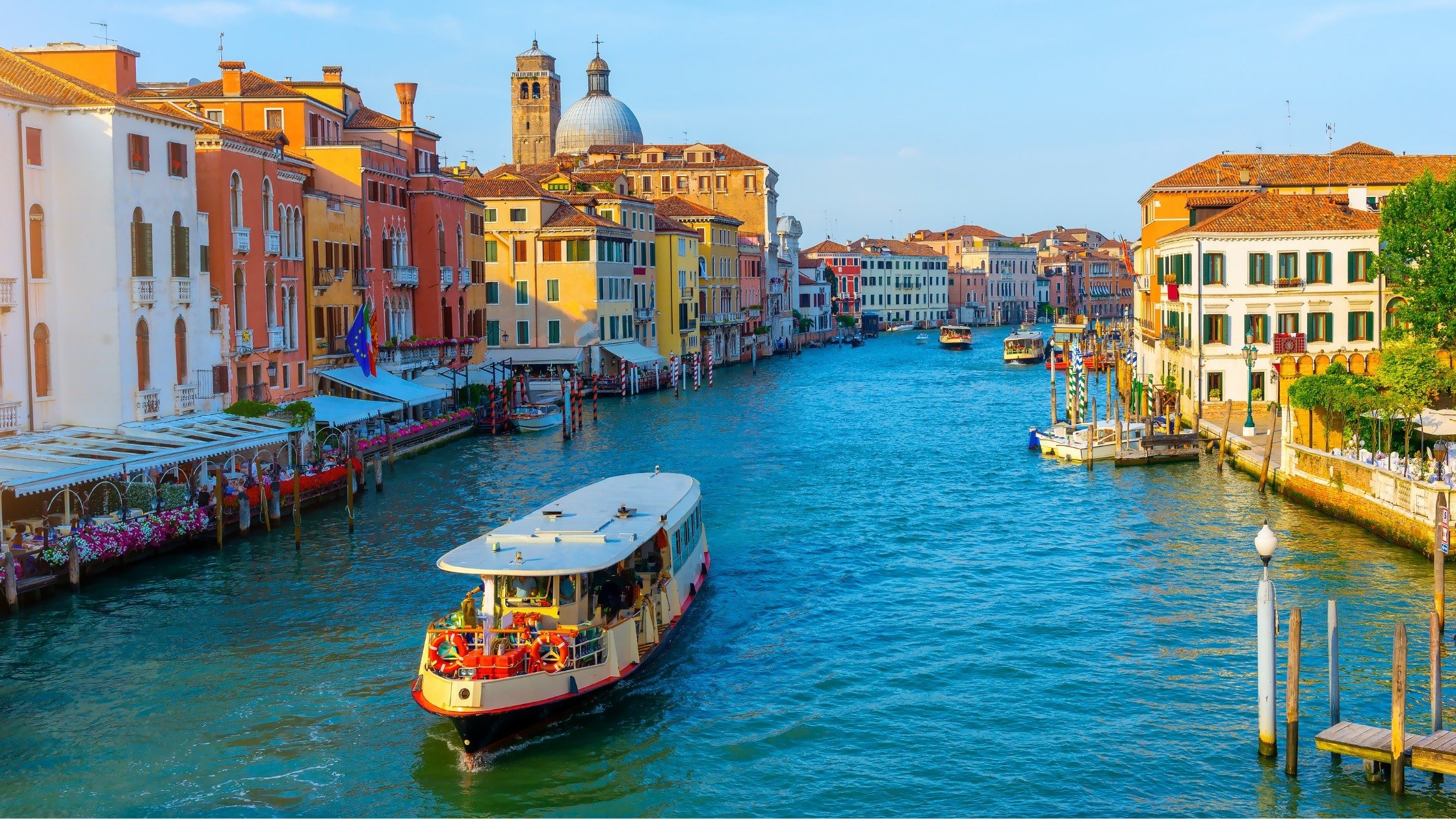
The best way to begin your Venetian adventure is to arrive early, before the cruise ships unload their crowds and the midday heat sets in. Most day-trippers arrive at the Santa Lucia train station or Piazzale Roma. From either location, skip the temptation to immediately hail a private water taxi; instead, walk or hop onto a Vaporetto (water bus) along the Grand Canal. This is the city’s main thoroughfare, and seeing the ornate facades of historic palazzos gliding past is the quintessential introduction to Venice.
Your first major destination should be the iconic Piazza San Marco. As Napoleon once remarked, it is truly the “drawing room of Europe.” By arriving before 9:00 AM, you can appreciate the scale of the square and the intricate Byzantine mosaics of St. Mark’s Basilica without being jostled by thousands of other tourists. Once you have soaked in the atmosphere, make your way to the adjacent Doge’s Palace. This symbol of Venetian wealth and power is a masterpiece of Gothic architecture. If you plan on going inside—which is highly recommended for the grand chambers and the somber, historic prison connected by the famous Bridge of Sighs—be sure to book your tickets in advance to skip the inevitably long lines.
Midday: Getting Lost and Finding Flavor
Once you have checked the major landmarks off your list, it is time to embrace the most important rule of Venice: get lost. After leaving the busy San Marco district, move away from the main tourist arteries toward the quieter, residential areas like Cannaregio or Dorsoduro. The true soul of Venice isn’t found in a queue; it is found in the hidden campi (squares), the laundry hanging across narrow alleyways, and the small workshops where artisans still create traditional masks and gondola parts.
For lunch, avoid the tourist traps with laminated menus in four languages. Instead, do as the locals do and seek out a traditional “bacaro”—a small, cozy wine bar. Here, you can indulge in “cicchetti,” the Venetian equivalent of tapas. These bite-sized snacks, ranging from crostini with salted cod to fried meatballs and local cheeses, are inexpensive, delicious, and perfect for a quick, authentic meal. Pair your snack with an “ombra,” a small glass of local wine, and stand at the bar to enjoy the local chatter.
Afternoon: The Rialto and the Waterways
No day trip to Venice is complete without a visit to the Rialto Bridge. As the oldest bridge spanning the Grand Canal, it has been the commercial heart of the city for centuries. While the bridge itself is perpetually crowded, the views of the canal from the top are unmatched. Just steps away, you will find the Rialto Market area. Even if the market stalls have closed for the day, the surrounding streets offer a glimpse into the daily rhythm of the city.
After the hustle of Rialto, slow down your pace. If your budget allows, a gondola ride is an iconic, albeit expensive, experience. If you prefer to save your euros for a nice dinner or a unique souvenir, consider taking a public “traghetto” instead. These are essentially gondolas used by locals to cross the Grand Canal at specific points where there are no bridges. It costs only a fraction of a private ride and offers the same classic view from the water level.
Evening: The Golden Hour
As the sun begins to set, the day-trippers head back to the train station, and the city undergoes a quiet transformation. The light hitting the water creates a golden glow that reflects beautifully off the historic stone buildings. This is the perfect time to find a spot along the Zattere promenade in Dorsoduro or grab a final aperitivo—perhaps a Venetian Spritz—while watching the boats navigate the lagoon.
Reflecting on the day, you will realize that you have only scratched the surface of Venice. You have walked across ancient bridges, tasted local flavors, and breathed in the unique, salty air of a city that lives between the land and the sea.
Conclusion: Making the Most of Your Time
A day trip to Venice is intense, but by focusing on a few key sights in the morning, exploring the quieter neighborhoods in the afternoon, and prioritizing local experiences over crowded attractions, you can have a deeply rewarding visit. The key to loving Venice is to accept that you cannot see it all. Don’t rush from one monument to the next; instead, allow yourself the time to pause, watch the water, and appreciate the fleeting, delicate beauty of this singular city. Whether it is your first time or your tenth, Venice will always leave you with a sense of wonder, making that single day feel like a lifetime of memories.
Would you like me to create a printable, hour-by-hour itinerary based on this guide to help you stay organized during your trip?
